
of U.S. adults had any mental illness in 2022. This figure does not indicate PSD eligibility.
NIMH, 2022 NSDUHWhat Is a PSD Letter?
Trusted by 10,000+ pet owners all across the USFull refund if your letter doesn't workRated4.9 stars

Research in context
Did You Know?
These figures provide mental-health and PSD research context. They do not determine whether any individual needs or qualifies for a service dog.
of U.S. adults are estimated to experience PTSD during their lifetime. Not everyone needs a PSD.
VA National Center for PTSDlower self-reported PTSD symptom scores after 3 months in one 2024 nonrandomized veteran PSD study versus usual care.
JAMA Network Open, 2024PSD education
Understanding Psychiatric Service Dogs
Three common questions, explained in plain language so the role of training, task work and documentation stays clear.
What Is a Psychiatric Service Dog?
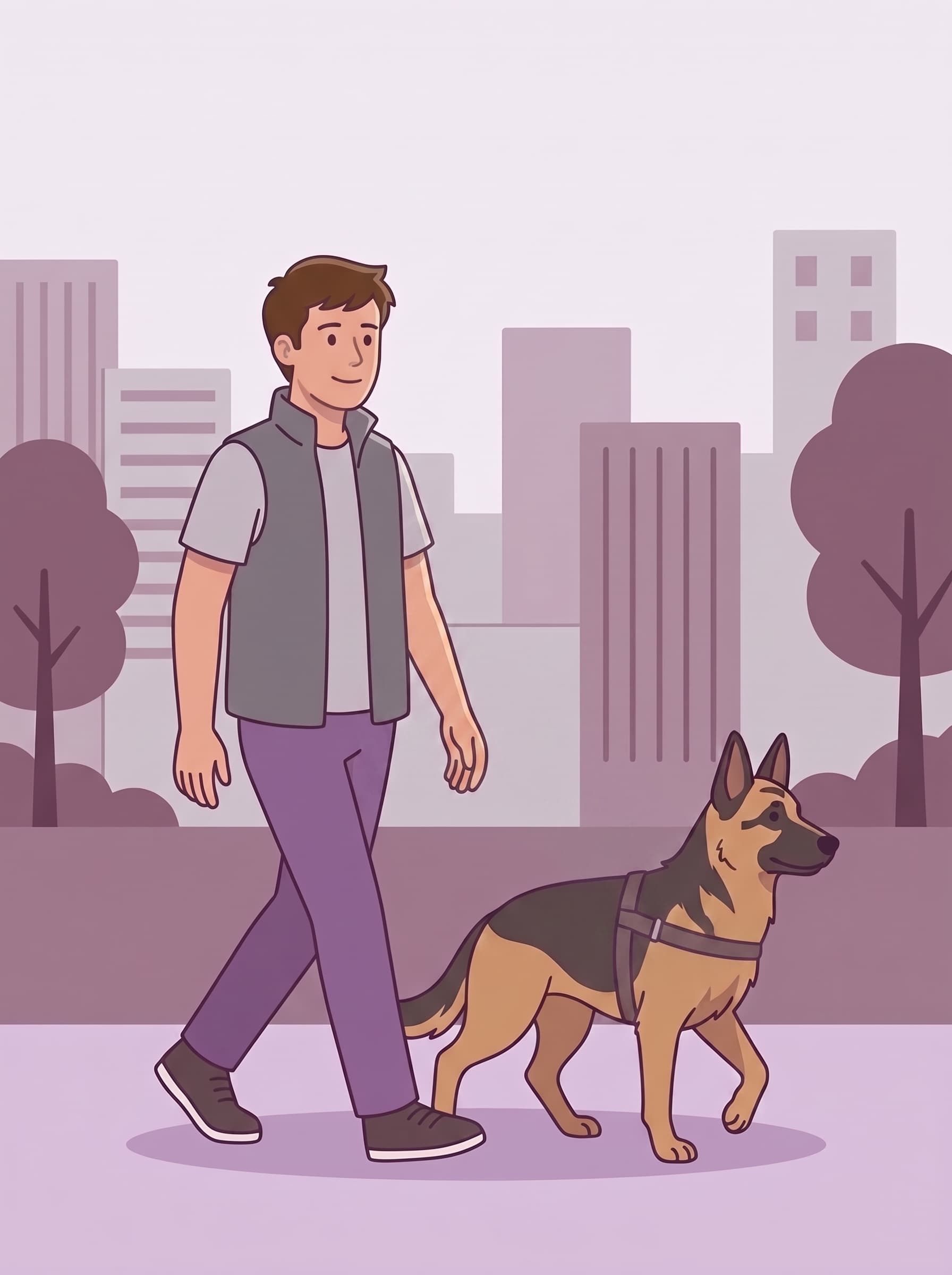
A psychiatric service dog is individually trained to perform work or tasks for a person with a psychiatric disability. The trained task — not a vest, certificate or registration — is what makes the dog a service animal under the ADA.
- The task must be directly related to the handler’s disability
- Any dog breed or size can qualify when the ADA requirements are met
- Comfort from the dog’s presence alone is not a trained service task
- The handler remains responsible for keeping the dog under control
A clinician’s letter may support a care or housing conversation, but it does not by itself create public-access rights or certify a dog as a service animal.

Can Any Animal Be an ESA or PSD?
The terms describe different kinds of support. Emotional support animals can include different species in housing contexts; under the ADA, a psychiatric service animal is a dog trained for disability-related task work.
- An ESA’s role is emotional comfort rather than trained task work
- A PSD is a service dog, not a therapy dog or pet registration category
- A dog’s breed does not decide whether it can be a service animal
- Housing and public-access questions follow different legal frameworks
Labels sold online do not change an animal’s legal status. The animal’s role, training and the applicable setting matter.
Why Trained Task Work Matters
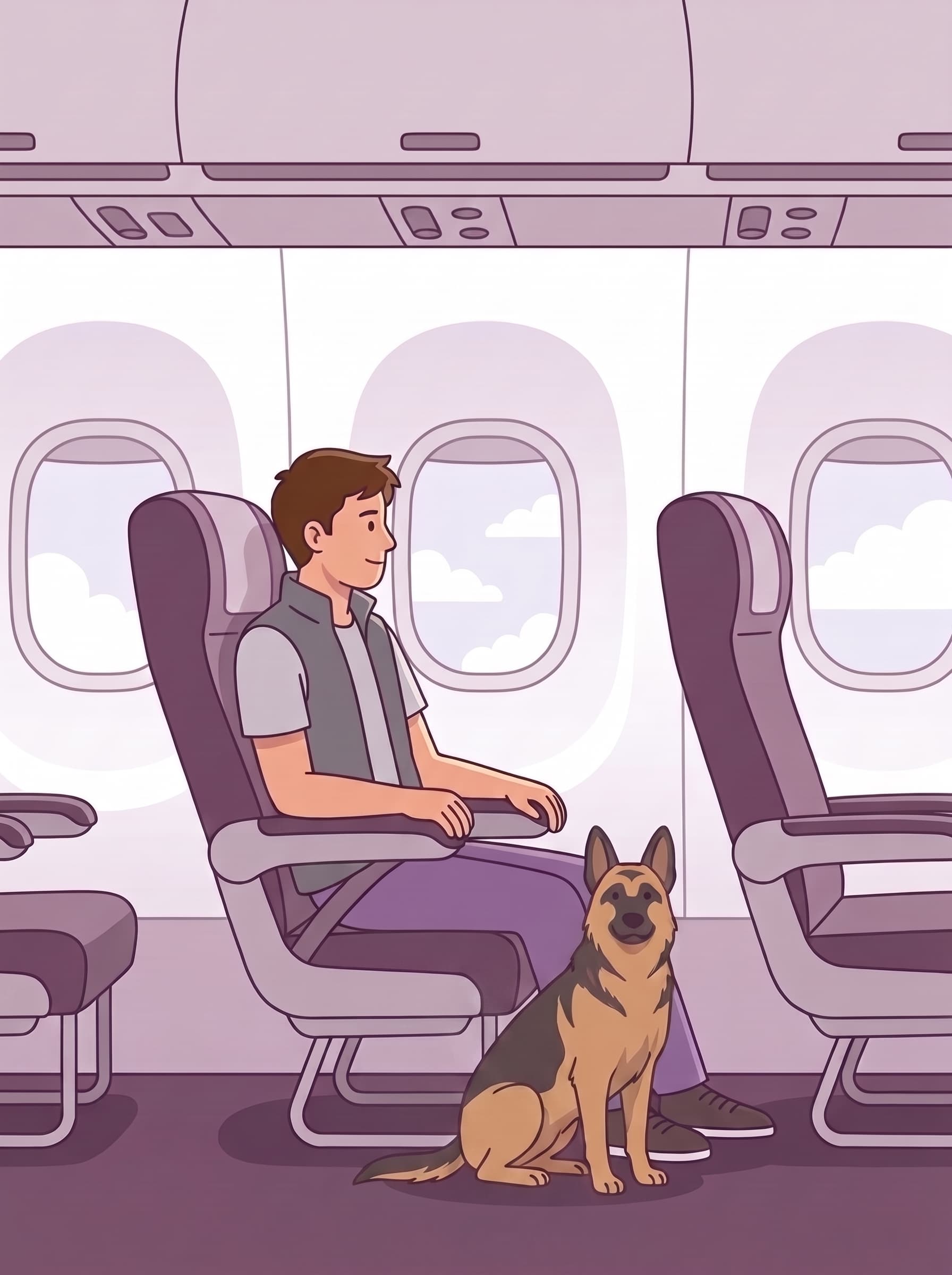
A PSD’s work is specific to the handler’s disability. Training should produce reliable, purposeful behavior that helps in a real disability-related situation.
- Interrupting or responding to a panic episode
- Guiding a handler to a safer place during disorientation
- Reminding a handler to take prescribed medication
- Waking a handler from a disability-related nightmare
These are examples, not a checklist. The appropriate task depends on the individual, and the dog must be trained to perform it reliably.
Legal summary based on the U.S. Department of Justice ADA service-animal guidance. Rules can depend on the setting and individual facts.

ESA or PSD?
How to Decide Between an ESA and a PSD
Choosing between a psychiatric service dog and an emotional support animal depends on your needs. An ESA provides emotional comfort, while a PSD is trained to perform disability-related tasks and may support public outings.
PetHousingRights provides clear guidance for both ESAs and PSDs.
Learn MorePractical details
Explore Common PSD Questions
Turn each card over for a concise answer. Hover with a mouse, or use tap, Enter or Space.
Service-animal definitions and owner-training information are summarized from official ADA service-animal FAQs.
How it works
A Clear Next Step
The process does not have to feel complicated. Begin with your needs, get appropriate guidance, then build reliable task work.
Understand Your Needs
Step 1Start with the disability-related support you need and whether trained task work is relevant.
Speak With a Professional
Step 2Discuss your circumstances when clinical guidance or supporting documentation is appropriate.
Plan Reliable Task Training
Step 3Choose an owner-led or professional training path focused on safe, consistent task work.